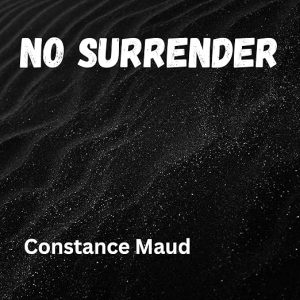
In November 1911, with the campaign for the vote at its most volatile, a British writer published a novel that took the suffragettes seriously as people rather than as headlines. Constance Elizabeth Maud, born in 1856, had been publishing fiction and essays for years before No Surrender made her name, and she was a suffragette herself, writing from inside the movement she described.
What set her apart was where she chose to look. Rather than centring the drawing rooms of London, she built her story around Jenny Clegg, a Lancashire mill girl, and set her beside an aristocratic ally, insisting on the working women of the textile towns as the engine of the campaign. She also had the nerve to record the prejudice against votes for women that ran through the labour movement itself.
Maud died in 1929, the year after equal franchise finally arrived, and her fiction slipped quietly out of print. Persephone Books brought No Surrender back in 2011 for its centenary, and her reputation has been climbing ever since.

 9 hours and 57 minutes
