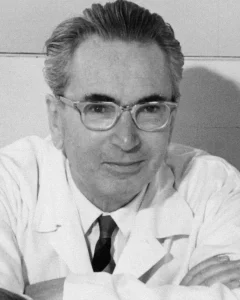
Viktor Emil Frankl, born in Vienna in 1905, was a neurologist and psychiatrist whose thinking was formed before the war and then tested, catastrophically, during it. He had already begun developing his ideas about meaning when he was deported in 1942. He survived Theresienstadt, Auschwitz and two further camps, and lost his parents, his brother and his wife.
Out of that experience came logotherapy, which holds that the primary human drive is neither pleasure, as Freud argued, nor power, as Adler had it, but the search for meaning. It became known as the Third Viennese School of psychotherapy. Frankl spent the rest of his long career refining it, heading the neurology department at Vienna’s Poliklinik Hospital and lecturing around the world well into his eighties. He died in 1997.
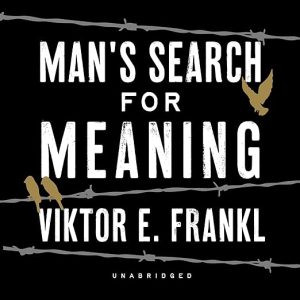
He wrote thirty-nine books. Only one of them made him famous, and he was faintly uneasy about that, having written it in nine days and intended to publish it anonymously. Its argument remains disarmingly simple: we cannot always choose our circumstances, but we keep the freedom to choose our response to them.


 5 hours and 43 minutes