Clara’s Verdict
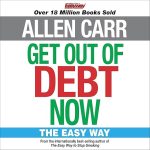
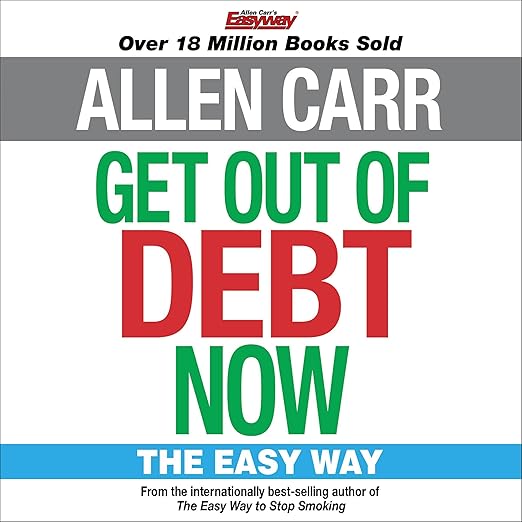
Allen Carr made his name helping people stop smoking by addressing the psychological foundations of addiction rather than the physical ones. The Easyway Method has sold tens of millions of copies worldwide, and its principles – that willpower is largely irrelevant, that freedom comes from understanding rather than deprivation – have proven surprisingly durable across a range of applications. Get Out of Debt Now applies that same logic to financial behaviour, and while it’s a somewhat different beast from the original quit-smoking book, it works considerably better than its premise suggests it might.
I’ll be honest: I came to this one expecting a gimmick. The idea that you can get out of debt without sacrifice or willpower sounds, on its face, like the sort of thing that sells books without necessarily helping anyone. Carr’s method is more sophisticated than that, and Richard Mitchley’s narration delivers it with the right tone of quiet authority.
About the Audiobook
Carr’s argument, in essence, is that over-spending – like over-eating, smoking, or drinking – is not a character flaw but a conditioned response to commercial and cultural pressure. The advertising industry has spent decades persuading us that we are incomplete without certain products, that spending is a form of self-expression, and that debt is a natural consequence of living a full life. Once you see those mechanisms clearly, Carr suggests, the desire to over-spend is significantly weakened. You don’t then need willpower to resist spending; you simply stop wanting to in the same way.
The practical guidance on debt clearance is structured, straightforward, and realistic. Carr doesn’t promise miracles – he promises a method that, if followed, will produce results. At five hours and forty minutes, there’s enough substance here to make a genuine difference, and the unabridged format means you get the full argument rather than a summary.
The Narration
Richard Mitchley reads the material in a direct, conversational style that suits Carr’s no-nonsense prose. There’s no false urgency, no motivational-speaker theatrics – just calm, clear delivery of an argument that works best when you’re given space to think about it. The pacing is measured, allowing Carr’s ideas to land properly before the next one arrives. For self-help and personal finance content, where the temptation to perform enthusiasm can undermine credibility, Mitchley’s restraint is exactly right.
What Readers Say
The audiobook holds a perfect 5.0 rating from its listeners. “Amazon Customer” called it “straight to the point, all common sense,” and appreciated how it illuminated “the bad habits we adopt regarding shopping and how brainwashed we are with our beliefs.” VanAlR described it as “life changing” – their third Allen Carr audiobook – and recommended it without reservation. The consistency across reviews is notable: readers who come to Carr often do so already expecting something unconventional, and they’re rarely disappointed.
Who Should Listen?
Anyone carrying debt who has tried budgets, spreadsheets, and conventional financial advice without lasting success should give this a listen. It’s particularly valuable for people who recognise that their spending habits are emotionally rather than logically driven – who know, intellectually, that they can’t afford something, but find themselves buying it anyway. The Easyway approach addresses the psychology first, which is where most debt problems actually live. At under six hours, it asks very little of your time and may ask a great deal of your assumptions.
Listen on Audible UK: Get Get Out of Debt Now on Audible UK. Also available on Kobo, Scribd, and Storytel.