Clara’s Verdict
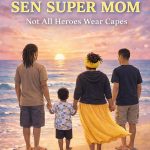
There is a particular kind of audiobook that arrives at exactly the right cultural moment – not because it has been positioned by a PR department to do so, but because the person speaking has finally found a format that can hold what they need to say. SEN Super Mom is that book. Chantelle Carlina is not a professional writer. She is a single mother who has been fighting, largely alone, for her neurodivergent children within a system that moves, as she puts it, too slowly. The result is 81 minutes of the kind of honesty that formal publishing often edits out.
I am aware this is a short listening time, and I want to say something about that upfront. Memoir does not need length to earn its place. The most powerful testimony I have ever read has often been the most compressed. Carlina is not padding this to a commercial word count, and the discipline shows. The brevity is not a limitation here – it is a structural choice that serves the material.
About the Audiobook
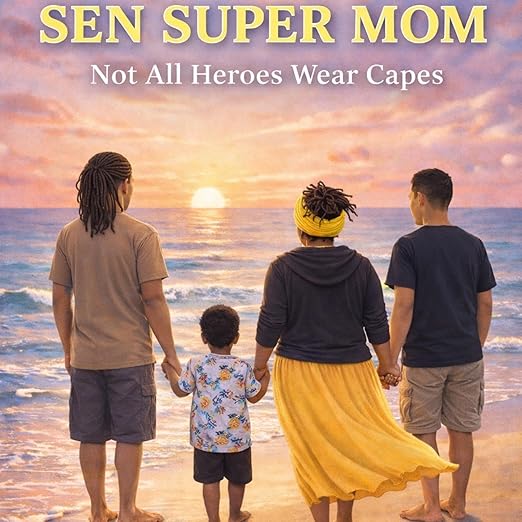
Released in March 2026 and self-published under Carlina’s own imprint, SEN Super Mom: Not All Heroes Wear Capes covers ground that mainstream parenting memoirs rarely reach with this degree of specificity. Carlina writes about stillbirth, delayed diagnoses, sensory challenges, school battles, and the exhausting process of advocating for children within a bureaucratic SEND framework that was not designed with single parents in mind. She writes from inside faith as well as from inside grief, and she does not resolve the tension between the two neatly – her belief sustains her without offering false comfort, which is a more theologically sophisticated position than many faith-based memoirs manage.
The book’s central argument – if it can be called that – is that SEND parents often know their children’s needs more accurately than the professionals tasked with assessing them, and that trusting your own instincts in the face of institutional scepticism is both legitimate and necessary. This is a recognisable experience for many families navigating the UK’s Education, Health and Care plan process, and Carlina articulates it from inside rather than from a distance. The subtitle’s quiet subversion – not all heroes wear capes – lands differently once you understand what she has actually been through. This is not motivational content. It is documentary.
SEND parents in the UK are frequently advised, formally and informally, to manage their expectations about what the system can deliver. What Carlina is offering instead is an account of what happens when you refuse to. The book is not a guide to navigating the EHC plan process – there are organisations and resources better positioned to provide that – but it is a testimony to why that navigation matters, and to the personal cost of doing it alone. That testimony has a function beyond the purely personal: it is evidence, and it is the kind of evidence that changes how people who are not in that situation understand what is being asked of those who are.
The Narration
Michelle Caesar narrates, and she brings a warmth to Carlina’s words that feels earned rather than performed. The material is heavy – stillbirth, misdiagnosis, systemic failure – and Caesar navigates it with restraint, never pushing for emotional response or underlining what the text already carries. The conversational rhythm of the writing translates naturally to audio, and at just over an hour, the listening experience is concentrated and immediate. Caesar’s delivery has the quality of a trusted friend reading aloud, which is exactly what this material requires.
What Readers Say
The four reviews on the Audible UK listing are all from UK listeners and all from the fortnight following release, which suggests the audience found it quickly through word of mouth in SEND parent communities rather than through any wider marketing push. Janet Anderson wrote that “once you start there’s no way you can put the book down,” which is quite a claim for a memoir about institutional bureaucracy – and yet it tracks with the book’s driving momentum. One reviewer who identified as an SEN mum herself described recognising her own experience throughout, calling it “a very inspirational book, especially for those who have SEN relatives or friends.” Shaqeal noted that “the backstory behind each chapter creates a powerful sense of strength” and recommended it to “mature-minded people” navigating similar circumstances. The unanimously perfect rating reflects a very specific audience finding exactly what they needed and being moved enough to say so.
Who Should Listen?
SEND parents, carers, and anyone working within special educational needs provision in the UK. Also worthwhile for social workers, teachers, and SENCO professionals who want to understand the parent experience of the assessment and provision system. This is not a comfortable listen, but it is a useful and honest one. At 81 minutes, it is accessible even for parents who rarely have uninterrupted listening time – one sitting in the car, one afternoon school run, one evening after the children are in bed.