What we know of Alexander Dragone arrives through the case files he has chosen to reopen. His work sits at the join between true crime and memoir, a shelf where the writer’s job is less to shock than to hold the record steady and let the listener draw their own conclusions.
The framing he favours is comparative. Rather than following a single investigation to its end, he sets one era against another and asks what changed in between: how cases were reported, how they were policed, how the public appetite for them shifted. It is a structure that rewards anyone who enjoys pattern as much as incident, and it keeps the writing sober where the material could easily tip into the lurid.

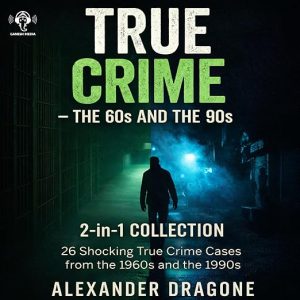 4 hours and 23 minutes
