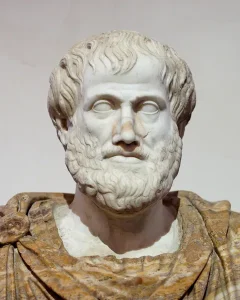
Nearly everything the West went on to argue about, Aristotle got to first. Born in Stagira in northern Greece in 384 BC, he arrived at Plato’s Academy in Athens at around eighteen and stayed for two decades. He later tutored the young Alexander the Great at the request of Philip II of Macedon, then returned to Athens to found his own school, the Lyceum, whose habit of teaching while walking gave the Peripatetics their name.
His surviving work, perhaps a third of what he produced and mostly lecture notes rather than polished books, covers biology, physics, logic, rhetoric, poetry, politics and ethics. He effectively invented formal logic, and his method of patient observation and classification laid groundwork that modern science still stands on. Medieval Islamic scholars called him the First Teacher; Aquinas simply called him the Philosopher. His ethics, for a long time the least fashionable part of the corpus, now sits at the centre of a broad revival of virtue ethics.

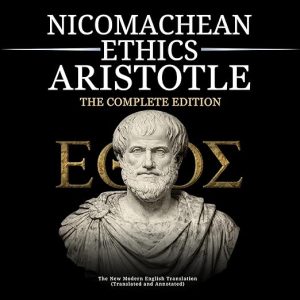 12 hours and 22 minutes