

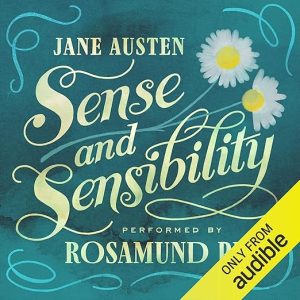
 11 hours and 25 minutes
Sense and Sensibility
Fiction & Literature
Audible trial
Popular right now
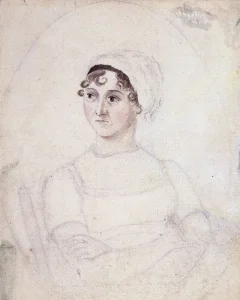 11 hours and 25 minutes
Fiction & Literature
 45 hours
Fiction & Literature
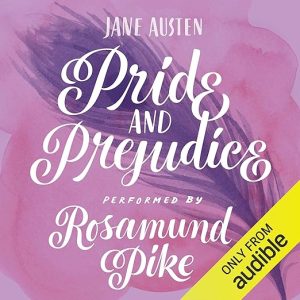 11 hours and 35 minutes
Fiction & Literature
![Pride and Prejudice [Audible Studios]](https://myaudiobook.co.uk/wp-content/uploads/2026/04/pride-and-prejudice-audible-studios-300x300.jpg) 11 hours and 35 minutes
11 hours and 35 minutes
Fiction & Literature
 16 hours and 50 minutes
Fiction & Literature
Included with the free trial
Listen to Jane Austen free
Affiliate link: we may earn a commission, at no extra cost to you.
By universe
