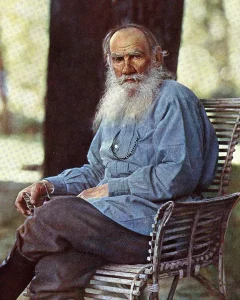
Leo Tolstoy, born in 1828 to an aristocratic Russian family, is regarded as one of the greatest and most influential authors of all time – a judgement that has scarcely weakened since his death in 1910. Acclaim came early: his semi-autobiographical trilogy Childhood, Boyhood and Youth, together with the Sevastopol Sketches drawn from his experiences in the Crimean War, made his name while he was still in his twenties.
The peaks that followed need little introduction. War and Peace, Anna Karenina and Resurrection are routinely cited as pinnacles of realist fiction and among the greatest novels ever written. In the 1870s Tolstoy underwent a profound moral crisis followed by a spiritual awakening, emerging as a fervent Christian anarchist and pacifist whose ideas on nonviolent resistance left their mark on figures as consequential as Mahatma Gandhi and Martin Luther King Jr. Virginia Woolf called him “the greatest of all novelists”; the Nobel committee nominated him repeatedly yet never gave him the prize, a controversy that still rankles.

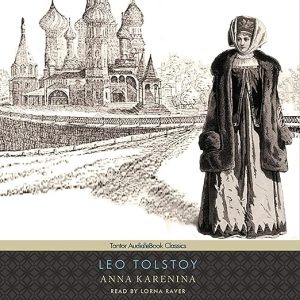 39 hours and 44 minutes