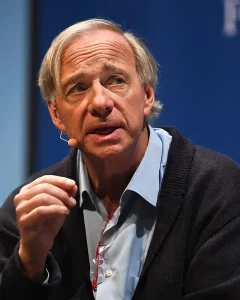
Ray Dalio bought his first shares at twelve, with money earned caddying at a Long Island golf club, and by 1975 he was running an investment firm out of a two-bedroom flat in New York. That firm was Bridgewater Associates, which grew into the largest hedge fund in the world.
He is more interesting as a builder of systems than as a picker of stocks. Over four decades he wrote down every rule he found useful, first for himself and then for his staff, until Bridgewater ran on an explicit code: radical transparency, recorded meetings, an idea meritocracy in which the strongest argument was meant to beat the most senior person in the room. Admirers call it liberating. Critics have used considerably harsher words.
Now stepped back from day-to-day management, he devotes himself to macroeconomic history, debt cycles and the rise and fall of great powers, arguing that the same patterns keep repeating because human nature does.


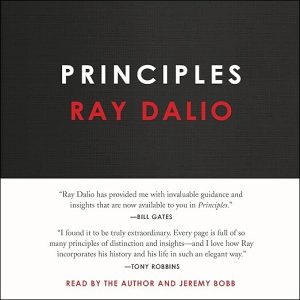 16 hours and 5 minutes