Clara’s Verdict
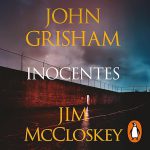
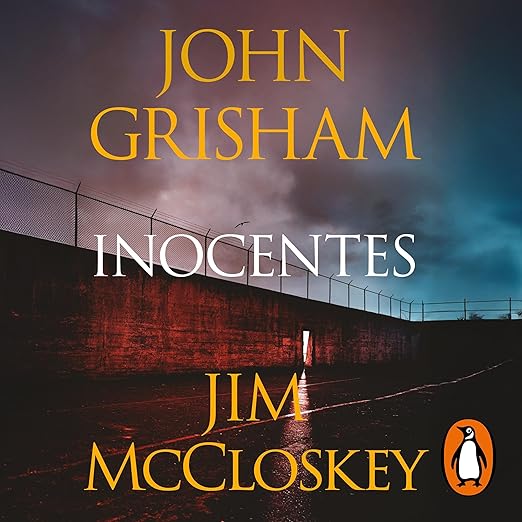
Joe Bryan was 120 miles away when his wife was murdered, and a jury convicted him of it anyway. That single fact, one of the first this book puts in front of you, sets the register for everything that follows. FRAMED is John Grisham in nonfiction mode, working with Jim McCloskey, a man who has dedicated his life to exonerating innocent people, and together they lay bare ten wrongful conviction cases involving twenty-one innocent people. My honest take: this is the angriest listening I have recommended in a good while, and I mean that as praise, because the anger is earned case by documented case. Be warned, though, that it is heavy. Nearly fourteen hours of justice going wrong, including a man who came within six days of execution, is not something to binge lightly. I took it in chapters, with pauses, and I would suggest you do the same.
What This Edition Is and Who It’s For
Set aside the legal-thriller expectations Grisham’s name usually carries: FRAMED is true crime of the most serious kind, published by Hodder & Stoughton on 15 October 2024, running 13 hours and 55 minutes, and shortlisted for the ALCS Gold Dagger for Non-Fiction 2025. Each of its ten stories stands alone. Clarence Brandley spent nine years on Death Row, coming within six days of execution, before new evidence cleared him of all charges. In the case of the Norfolk Four, police and prosecutors kept arresting innocent men until not one but four were behind bars. What a listener gets is not courtroom entertainment but accountability: how these convictions happened, what it took to undo them, and how freedom can be won when all seems lost. It suits listeners who want their outrage rigorous.
Jim McCloskey, Narrating His Life’s Work
The narration belongs to Jim McCloskey himself, and that choice defines the listening experience. This is not a hired actor performing outrage; it is the co-author, a man whose working life has been spent on exactly this kind of exoneration, reading cases from the world he knows at first hand. What that brings is authority: names, dates and procedural detail delivered by someone for whom they were never abstractions. What it will not necessarily bring is theatrical polish, and listeners who prize honeyed professional narration should adjust their expectations accordingly. For my money the trade is worth making. In true crime, credibility is the performance, and nearly fourteen hours in McCloskey’s company feels less like being read to than being briefed by someone who has spent decades inside these rooms.
What Readers Say
The rating stands at 4.4 from 6 ratings, which is far too small a sample to lean on, so I will not pretend otherwise, and there are no written listener reviews attached to this edition for me to quote. The stronger external signal is that Gold Dagger shortlisting, which speaks to the quality of the research and the writing. On the numbers alone: early listeners have been broadly positive, and the fuller verdict is still being written.
Who Should Listen?
Listen if you take your true crime with accountability rather than titillation, if wrongful conviction is a subject you can sit with at length, or if you know Grisham only through his fiction and want to hear what plainly animates it. Skip it if you need tidy resolutions or a light commute listen, and approach with care if accounts of Death Row and near-executions are more than you wish to carry at the moment, because the book does not soften them. It insists, rightly, that truth can prevail. It also makes you feel the cost of every year that victory took.