Clara’s Verdict
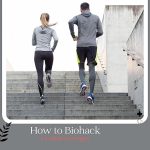
We insure the house, service the car and top up the pension, yet the organ that makes all of it possible rarely gets a maintenance plan. How to Biohack is built on that uncomfortable truth. At the heart of the material is the work of neuroscientist Dr Kristen Willeumier, whose science-driven programme rests on a simple claim: because the brain and spinal cord are wired into every system and organ, small lifestyle changes upstream pay dividends everywhere else. I found the substance sensible and genuinely actionable: nutrition, stress, everyday habits, the unglamorous levers that research keeps validating. Two reservations. The framing occasionally turns apocalyptic, warning that you risk losing everything from clear thinking to memory, and that urgency serves marketing more than science. And the word biohack promises silicon wizardry when what is actually on offer is closer to disciplined self-care. Neither complaint spoils the value: this is brain care for people who want instructions rather than inspiration.
What This Edition Is and Who It’s For
Credited to Lyndsay Lonergan, this audiobook runs 7 hours and 31 minutes and was published by William Morrow on 29 December 2020. It is a standalone work of practical health nonfiction, straddling health and wellbeing, personal development and even a corner of sports listening. What it delivers is Dr Willeumier’s plan in full: upgrading nutritional choices, protecting memory, reducing the risk of neurodegenerative disorders such as Alzheimer’s disease, and managing the stress and negative thinking that quietly tax cognition. Research and case studies give the recommendations a clinical spine, so the advice arrives with evidence attached rather than anecdote alone. It suits the listener who wants a plan to begin this month, not a scenic tour of neuroscience for its own sake.
Emily Woo Zeller Keeps a Clear Head
Practical science is deceptively hard to read aloud. Lists must not drone, studies must not blur together, and instructions need enough air around them to be remembered on the way to the kitchen. Emily Woo Zeller narrates, and her performance style brings precisely what this text needs: crisp diction, a feel for the architecture of an argument, and warmth that never tips into cheerleading. She is, in effect, your coach for seven and a half hours, giving clinical passages room to breathe whilst keeping the tempo brisk through the practical ones. My one note concerns format rather than performance: a plan this concrete invites revisiting, so expect to bookmark chapters and replay the sections you intend to act upon.
What Readers Say
There are no written reviews on this listing to quote, but the aggregate carries real weight: 4.6 out of 5 from 376 ratings. At that volume the figure stops being noise and becomes a pattern, and the pattern says most listeners felt the practical promise was kept. High averages on health titles tend to mean one thing: people tried the advice and did not feel short-changed.
Who Should Listen?
Choose this if you like your health listening to end in a to-do list: commuters who enjoy arriving with three changes to make, midlife listeners with one eye on memory, anyone assembling a longevity routine who wants the brain included at last. It is a fair pick for sceptics of wellness fluff too, because the register is clinical rather than mystical. Skip it if optimisation language makes you itch, if you want a pure science narrative with no homework, or if you expect the title to deliver gadgets and implants. Treated as a service manual for the one asset you cannot replace, it earns its slot in the listening queue.