Clara’s Verdict
The nutritional case for eating more fish and seafood has been made repeatedly and convincingly over decades of research, yet confusion persists at the practical level of actual shopping and cooking decisions. Which fish are genuinely high in beneficial omega-3 fatty acids? Which species carry meaningful mercury risk for regular consumption? How do you navigate sustainability labelling when an MSC certification on a packet of salmon means something rather different from the same label on a tin of tuna? What does ethically sourced actually mean when you’re standing in a supermarket aisle trying to make a quick decision with a basket in your hand? These are genuine questions that even health-conscious shoppers frequently can’t answer with confidence.
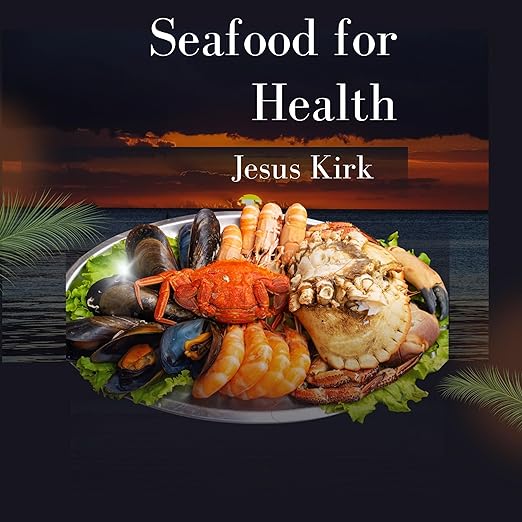
Seafood for Health by Jesus Kirk positions itself as a guide that cuts through this noise with science-backed, practical guidance. The synopsis suggests a well-structured overview spanning health science, food safety, environmental ethics, and practical meal planning. At just over an hour, it sits firmly in the short-form health audiobook format that has proliferated on Audible in recent years – genuinely useful as an orientation but necessarily limited in depth. There are no ratings or reviews available yet, so independent listener validation simply doesn’t exist at this stage, which is worth acknowledging plainly.
About the Audiobook
The book promises coverage of omega-3 fatty acids and their roles in heart, brain, and joint health – the most established and well-evidenced area of seafood nutrition science. It addresses mercury and contamination risk, where practical guidance is most needed and most frequently absent from popular nutrition writing. The distinction between farmed and wild salmon matters nutritionally and environmentally; the specific species that bioaccumulate methylmercury at levels that constitute genuine risk to health – shark, swordfish, king mackerel, and tilefish among them – are not the fish most British households eat regularly, but knowing which ones to limit remains important information, particularly for pregnant women and young children for whom the guidelines are most specific.
The sustainability and ethics angle is an increasingly important dimension of seafood consumption decisions, and the synopsis indicates the book engages with it substantively. The Marine Stewardship Council labelling system has real value but also real limitations; the problems of illegal, unreported, and unregulated fishing in commercial supply chains are more prevalent than most consumers realise; and the environmental cost of certain aquaculture practices varies enormously by species, location, and method. Whether Kirk’s treatment goes beyond surface-level guidance on these questions is impossible to assess without listener feedback, but the structural framing in the synopsis is promising.
The Narration
Scott LeCote narrates. LeCote brings a clean, instructional delivery that suits health and wellness content well – the material is dense with specific information, including species names, nutritional values, and sustainability standards, and benefits from a voice that prioritises clarity over warmth or entertainment. For a sixty-nine-minute practical guide, the performance should be efficient rather than atmospheric, and LeCote’s register is well-matched to that requirement. He reads at the pace of someone communicating information they believe to be genuinely useful, which is the right energy for a guide of this kind.
What Readers Say
No listener reviews are available on Audible UK at the time of writing. Seafood for Health was published in March 2026 by the author through their own imprint, and like many short health guides from independent publishers, it is still in its early-discovery phase on the platform. The structural clarity of the synopsis suggests the underlying content is organised thoughtfully, but the absence of any listener feedback means prospective buyers should sample the opening before committing. The genre has a reliable audience on Audible; quality titles in this space do find their readers in time.
Who Should Listen?
This audiobook is well-suited to health-conscious listeners who eat seafood regularly and want to make better-informed choices about species, sourcing, and consumption frequency; to those considering a pescatarian diet and looking for guidance on building a nutritionally balanced eating plan around fish; and to anyone with specific health concerns – cardiovascular, cognitive, or inflammatory – who wants to understand the evidence base behind omega-3 recommendations before making dietary decisions. It is not a cookbook and won’t teach you anything about preparation or recipes. Listeners wanting comprehensive coverage of any single area – marine ecology, clinical nutrition science, or sustainable food systems policy – should treat this as an orientation guide and pursue specialist reading from there rather than expecting a single short audiobook to do all of that work.
It’s also worth noting that the UK seafood market has specific characteristics that make consumer guidance particularly valuable here: the dominance of farmed Atlantic salmon, the prevalence of imported tuna, and the particular sustainability questions raised by UK fishing industries post-Brexit all give a UK-focused listener additional reasons to want clearer guidance on the choices they’re making at the counter and in the aisle.