Clara’s Verdict
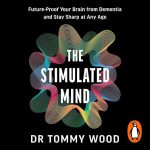
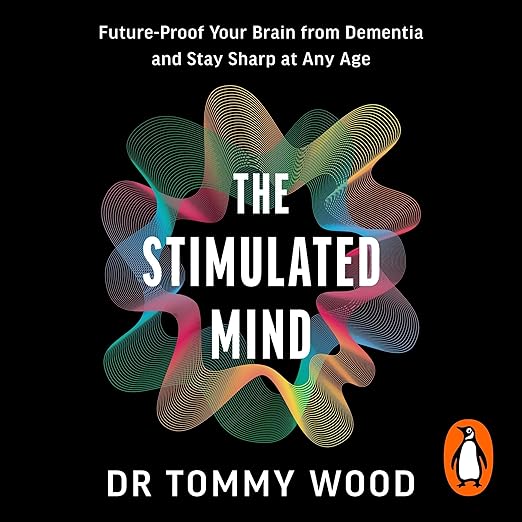
The brain health genre has been overwhelmed by supplement companies, dubious biohackers, and wellness influencers for long enough. Dr Tommy Wood – a neuroscientist and researcher who also coaches elite athletes and professionals – arrives with something genuinely rarer: a book grounded in actual science that is also honest about what we do not yet know. The Stimulated Mind does not promise to reverse cognitive decline or turn you into a genius. It argues, more modestly and more convincingly, that the brain is plastic, that decline is not inevitable, and that the things which protect it are largely the same things that make for a decent, engaged human life. That is a harder sell than nootropics, but it is the truth as the research currently understands it.
Dr Rangan Chatterjee’s endorsement – “As global health declines, Dr Wood’s voice urgently needs amplifying” – reflects genuine regard in the medical and health community for Wood’s careful, evidence-led approach. This is a book worth listening to precisely because it refuses to overstate its case.
About the Audiobook
Dr Wood’s core framework is the ‘3-S Model’ – Stimulation, Sleep, and Nutrient Supply – and the book methodically unpacks each component in turn with the kind of technical specificity that separates serious science writing from the vague gesturing of wellness culture. The stimulation chapter is the most interesting and counterintuitive: Wood makes a case for genuine cognitive challenge – not brain-training apps or sudoku for its own sake, but real learning, social engagement, physical activity, and creative practice – as the primary driver of neuroplasticity. The argument draws on research from across cognitive neuroscience, exercise physiology, and social science, synthesised clearly.
The sleep section is rigorous without being preachy, and the nutrition chapter takes a dietary patterns approach rather than the usual rabbit-hole of specific supplements, which is both more honest and more practically actionable. What distinguishes this from competing titles is Wood’s background working with elite sports performers: he writes about stress management and cognitive recovery from the perspective of someone whose professional clients cannot afford to be wrong about these things. The result is practical advice with a quality filter that most self-help does not have.
The book also addresses what researchers call “cognitive reserve” – the accumulated protection built by a life of genuine, varied mental engagement – and the implications are meaningful for anyone in mid-life wondering whether the choices they make now will actually matter at seventy. The short answer, according to the evidence, is yes, and Wood explains the mechanisms clearly without tipping into catastrophising or false reassurance. Both traps are easy to fall into; he avoids both.
The Narration
Dr Wood narrates his own book, which works well here. His voice is calm and measured – authoritative without being didactic – and the 16-hour, 34-minute runtime benefits from his ability to modulate tone when moving between research discussion and personal anecdote or clinical observation. There is none of the over-enthusiasm that plagues self-narrated health books; Wood sounds like a thoughtful clinician explaining things clearly to a patient he respects. That tone is exactly what this material requires.
What Readers Say
This title is newly released and carries no listener ratings at the time of writing. Interest from listeners already familiar with Wood’s work as a podcaster, researcher, coach, and public health commentator has been strong in the period ahead of launch. The health and wellbeing community’s anticipation of this book has been building for some time, and early indications suggest it will find a wide audience across both the general health-conscious readership and those with a professional interest in cognitive performance.
Who Should Listen?
Anyone in their thirties, forties, or fifties who has noticed that sustained focus does not come quite as easily as it did, or who has a family history of dementia and wants a clear-eyed, honest account of what the evidence actually supports – rather than the evidence that supplement companies wish existed. It is also excellent for coaches, trainers, therapists, and health professionals who need a rigorous but accessible summary of brain health science that they can confidently recommend to clients without caveating half of it. Parents worried about screen time and cognitive development will find relevant evidence here too, handled without the panic that tends to characterise that conversation.
Avoid this audiobook if you are looking for dramatic transformation promises or a proprietary protocol to follow. Listen to it if you want the honest version of what current science actually supports, explained by someone who understands both the research and the human cost of getting it wrong. The 16-hour runtime means you are signing up for something substantial, but Wood earns every minute of it.
Listen to The Stimulated Mind on Audible UK – science-backed brain health strategies for real life.