Clara’s Verdict
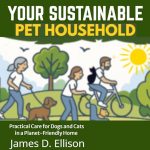
The overlap between pet ownership and environmental consciousness is not always comfortable territory – anyone who has looked closely at the carbon footprint of commercial pet food will find the arithmetic rather confronting. James Ellison’s The Sustainable Pet Household, part of the Sustainable Living Today Series, takes that tension seriously rather than glossing over it, and arrives at a position that is genuinely useful: small, consistent changes, made thoughtfully and without demanding perfection, can make a meaningful collective difference. At just under five hours, it is exactly the right length for this material – long enough to be substantive, short enough to finish in a weekend afternoon.
The book avoids two traps that similar titles routinely fall into: it neither catastrophises (your pets are destroying the planet and you should feel terrible) nor offers empty reassurance (just buy organic treats and everything will be fine). Ellison writes like someone who has actually thought the problem through in his own home, with his own animals, and that groundedness shows on every page. The personal anecdotes from his life with Sam, Edna, and Milo are not decoration; they are the method, making abstract principles concrete and showing what these changes actually look like in practice rather than in theory.
It is also, quietly, a book about being a more attentive pet owner as well as a more sustainable one. The two turn out to be more closely connected than you might initially assume.
About the Audiobook
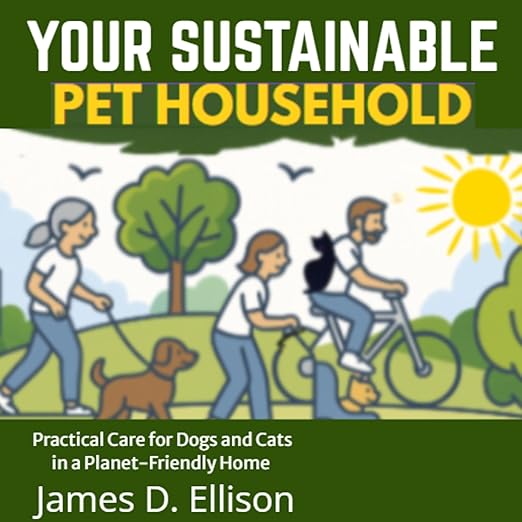
Ellison writes from experience rather than from theory, anchoring each principle in the practical reality of his New England household, shared with Sam, Edna, and Milo. This grounds what could otherwise be an abstract exercise in environmental arithmetic in something recognisable: the actual logistics of a multi-pet home, with all the competing demands, limited time, and occasional chaos that implies.
The book addresses six core areas. The first covers the home environment – how to reduce chemical exposure for pets while simultaneously lowering the household’s pollutant footprint through more considered product choices. The second addresses the specific challenges of managing multiple animals together, with practical tools for preventing the stress and rivalry that can emerge in multi-species households. The third section covers low-impact grooming and cleaning with specific, workable alternatives to conventional products. The food section is the most substantive, and the most thoughtful: Ellison does not demand a radical dietary overhaul but explains how to meaningfully reduce food waste, introduce alternative proteins at a pace animals will accept, and prevent the overfeeding that shortens pets’ lives and generates substantial waste. The final sections address kit longevity – how to extend the life of leads, beds, toys, and equipment through repair, proper care, and more considered purchasing decisions.
The book belongs to the Sustainable Living Today Series, which suggests its overall approach: practical, accessible, non-preachy, aimed at people who are already motivated to make changes and need tools rather than another lecture about the state of the planet.
The Narration
Jeffrey Knightly narrates in a warm, conversational register that matches the book’s tone throughout. He does not perform the material as a sermon – the advice is consistently presented as invitation rather than instruction, which aligns with Ellison’s stated philosophy of “small, thoughtful habits” rather than all-or-nothing transformation. The pacing is comfortable for a practical guide, with enough space around the actionable recommendations to allow listeners to actually consider them rather than simply moving through the content.
What Readers Say
The audiobook holds 4.6 stars from 9 ratings. Reviewer “p” – owner of two cats and two dogs – described it as “very informative” and immediately practical. Sam H. in Canada called it “a great pick for pet owners who want to care for their dogs and cats while also being kind to the environment,” noting the simplicity and achievability of the advice. A reviewer from India described the author’s personal anecdotes as making the advice “honest but not preachy” – precisely the balance the book is aiming for. Cynthia Carangelo made the quietly important observation that more than half of all households own a pet, which means collective small changes at that scale are not actually small at all in aggregate. Tricia described finding specific ideas she would immediately implement for her dog and two cats.
Who Should Listen?
For dog and cat owners who are already thinking about environmental impact and want specific guidance rather than general encouragement. Also genuinely useful for new pet owners who want to establish good habits from the outset, and for anyone managing a multi-pet household who is looking for practical strategies around food, cleaning, and equipment management. The book’s practical, non-judgmental approach makes it accessible to listeners at any level of existing engagement with sustainability issues.
Available on Audible UK, Kobo, Scribd, and Storytel. Listen to The Sustainable Pet Household on Audible UK.