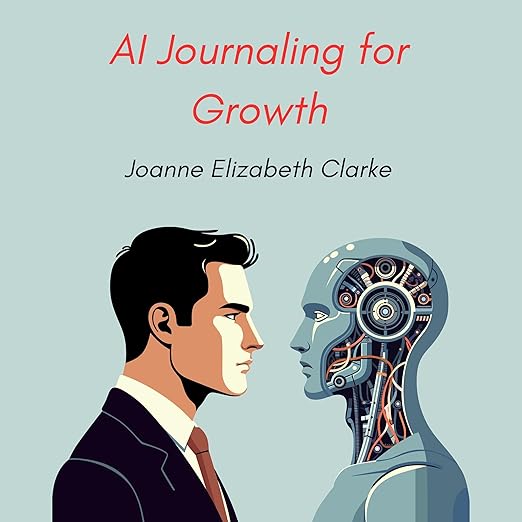
Clara’s Verdict
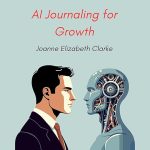
Sixty-one minutes. That is the runtime of AI Journaling for Growth, and it is the single most important piece of information for anyone considering this audiobook. This is not a slight against the book — short-form audio has genuine value in the right context — but it sets expectations clearly. You are not getting a deep, research-grounded exploration of journaling psychology or a thorough technical primer on AI tools. You are getting an accessible introduction, a series of prompts and frameworks that might serve as a starting point for someone who has not yet developed a reflective practice.
No Audible ratings exist at the time of writing. The book was released in February 2026 and self-published by the author, Joanne Elizabeth Clarke. Neither of those facts disqualifies it, but they do mean the listener is working without a safety net of community consensus. The self-publication context also means editorial standards may vary from those of a trade publisher, which is worth factoring into expectations before committing.
About the Audiobook
Clarke describes a system that combines AI-driven prompts with proven self-development frameworks to help listeners build self-awareness and make better decisions in everyday life. The specific practices mentioned include using AI tools to explore thoughts more deeply, identifying patterns in habits and moods, overcoming mental blocks through guided reflection, and building consistent journaling habits without becoming overwhelmed by the process. These are genuine and useful goals in the self-development space. The question is whether sixty-one minutes is sufficient to make them meaningfully actionable rather than merely gestured at.
The concept of AI-assisted journaling is timely and genuinely interesting. The intersection of large language model tools and personal development practice opens real intellectual territory: how might conversational AI function as a reflective partner, and what limitations and risks does that entail? Whether this particular book engages that question with sufficient depth is something I cannot determine from the synopsis alone. The brevity of the runtime suggests the treatment is introductory rather than thorough, which for some listeners will be exactly what they need and for others will leave them wanting considerably more.
The Narration
David Reynolds narrates with a calm, measured register that suits the reflective character of the material well. Personal development audio works best when the narrator does not feel like they are selling something — the delivery should invite the listener to engage with the ideas rather than nudging them toward enthusiasm for the method. Reynolds tends to sit comfortably in that space. For a book centred on journaling and self-reflection, a voice that models a degree of stillness and thoughtfulness is an asset rather than incidental. The sixty-one minute runtime also means any weaknesses in the performance have limited opportunity to accumulate or become fatiguing.
What Readers Say
No Audible reviews are available. The book is self-published and recent, which means listener feedback may take significant time to develop if the book does not find a large immediate audience. I would recommend checking the Audible sample before purchasing — even for a book this short, the sample will give a meaningful sense of both the content density and the narration quality. At under an hour, the entire audiobook is not much longer than a very extended sample anyway, which is worth factoring into your assessment of value relative to the cost of purchase. The sample should be sufficient to tell you whether the approach resonates.
Who Should Listen?
AI Journaling for Growth is suited to someone completely new to journaling practice who wants a brief, low-commitment introduction to the idea of using AI tools as a reflective aid. If you already have an established journaling practice and are looking for a rigorous exploration of the psychology of self-reflection, or if you want practical technical guidance on specific AI platforms, this is likely too introductory to be useful. The self-published, no-ratings status means the sample is your best guide. Go in knowing this is a starting point rather than a comprehensive programme.