Clara’s Verdict
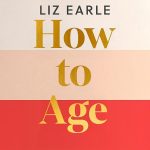
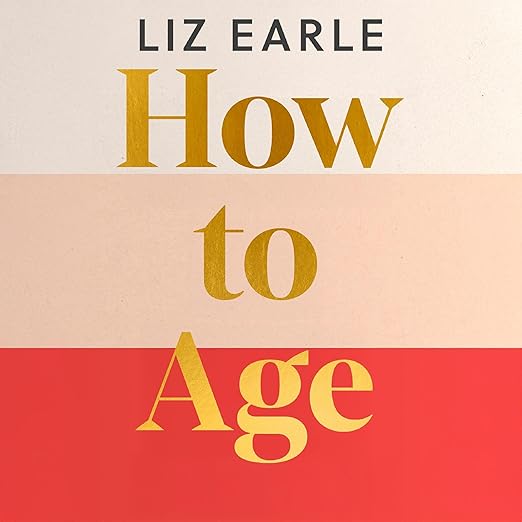
Liz Earle has built an entire career on the premise that looking and feeling well is within reach of ordinary people who are prepared to pay attention to their bodies. How to Age, narrated by Earle herself, extends that philosophy into genuinely bold territory: the science of mitochondria, structured water, circadian biology, and what she calls the “elemental biohacks” – sunlight, grounding, hydration – that she argues are more transformative than any supplement regime or diet trend. At ten hours, this is a substantial listen and substantially more ambitious than the typical wellness audiobook. Whether or not you accept all of its claims, it will leave you thinking differently about the ageing process.
About the audiobook
Published in April 2026 by Yellow Kite, How to Age arrives from the Sunday Times bestselling author at nearly 63 years old, a point in her life at which, she states, her biological age tests closer to 32. That is a striking claim, and Earle uses it as the launching pad for a wide-ranging investigation into why biological age and chronological age need not track each other.
The book is structured around two layers. The first is what Earle calls the “elemental” layer: sunlight exposure, structured water, and the Earth’s electromagnetic field, which she argues operate at a cellular level to regulate energy production in the mitochondria. The second layer covers the more familiar ground of hormone balance (with a particular focus on perimenopause and menopause), sleep quality, strength training, and food foundations.
Earle draws on endorsements from Dr Louise Newson, a leading menopause specialist, and the book is peppered with daily action plans, supplement recommendations, and “pro-ageing rituals” – the term is deliberate. The framing is emphatically positive: ageing is not a decline to be managed but a process to be actively shaped. She addresses mental wellbeing in the latter sections, rounding out what is a genuinely holistic programme.
Some of the science around structured water and grounding sits at the more speculative end of the spectrum, and listeners with a strong scientific background may push back. But Earle is transparent about the cutting-edge nature of her sources, and the practical protocols she recommends are broadly defensible regardless of the underlying theory.
The narration
Liz Earle narrates her own book, and this is unambiguously the right decision. Her voice is warm, measured, and carries the quiet authority of someone who has been thinking about these subjects for decades. She reads without affectation, making even the more technical passages – mitochondrial function, hormone panel interpretation – feel like a conversation between knowledgeable friends rather than a lecture. The pace is unhurried, which suits the subject matter; this is a book about slowing down and paying attention, and the delivery reflects that.
What readers say
At the time of writing this review, How to Age is newly released and Audible UK ratings are still accumulating. Given Earle’s substantial and loyal following – she has built one of the UK’s most trusted wellness brands – early reception is likely to be strong. Listeners who have followed her previous work will find this the most scientifically detailed and personally revealing of her audiobooks to date.
Who should listen?
This audiobook is particularly relevant for women in their forties and fifties navigating perimenopause and looking for a framework that goes beyond conventional medical advice. It will also appeal to anyone – male or female – who has been paying attention to the longevity conversation and wants a practical, daily-life-scale version of it rather than a billionaire’s biohacking regime. If you found The Longevity Blueprint by Mark Hyman interesting, or if you follow Dr Rangan Chatterjee’s work, Earle sits in that same broad space but with a distinctly personal and female-centred perspective.
Listen to How to Age on Audible UK and start rethinking what the next thirty years could look like.