Clara’s Verdict
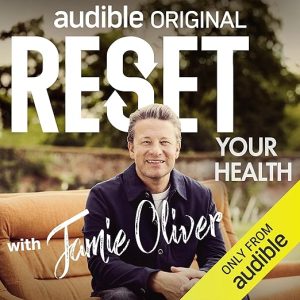
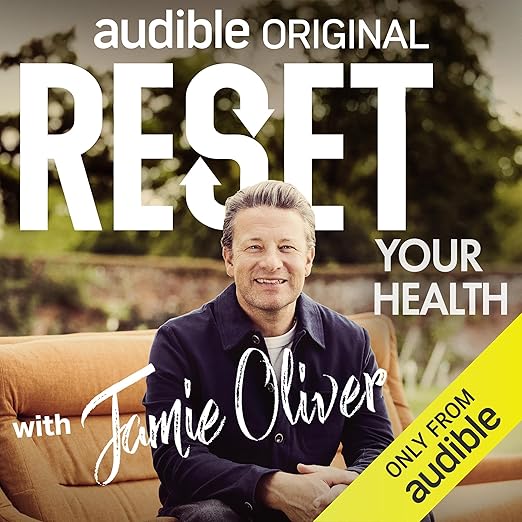
I will be honest: I went into this expecting the kind of glossy wellness content that tells you to eat more vegetables, get eight hours’ sleep, and reduce stress – while being simultaneously patronising, vague, and rather less useful than reading a decent NHS leaflet. What I found instead was a genuinely intelligent and generously produced listen – curious, warm, practically useful, and in places rather moving. Oliver interviews some of the best researchers in their respective fields and, more importantly, asks better questions than you might expect. He brings his own history, his genuine puzzlements, and his willingness to be changed by the conversation, which makes the whole series feel alive in a way that pre-scripted health content never quite manages.
The Dolby Atmos production is audibly superior to standard podcast audio, and the Audible Originals exclusive status means it has been given the kind of care in production that the material deserves. This is what the format can do when it is taken seriously.
About the Audiobook
Six episodes, each a sustained conversation between Oliver and a world-leading expert, covering distinct pillars of health. Dr Emily Leeming, a research scientist and registered dietician at King’s College London, opens the series with the gut – what it does, why it matters, and what we can actually do to support it. Professor Giles Yeo from Cambridge tackles appetite and the neuroscience of why we eat what we eat, explaining in practical terms why willpower is a far less reliable tool than environment. Sarah Berry, also from King’s, unpacks the surprisingly significant impact of food texture on health outcomes – the chewing episode is one of the most memorable in the series.
Dr Megan Rossi explores the gut-brain axis and the bidirectional relationship between what is happening in your head and what is happening in your digestive system. Professor Jason Ellis of Northumbria University dives into sleep cycles and the specific ways food affects sleep quality – including, entertainingly, a decoding of one of Oliver’s recurring dreams. The series closes with Professor Rose Anne Kenny from Trinity College Dublin on ageing, biological versus chronological age, and how to protect cognitive function as the years accumulate. Oliver’s parents drop by for tea in the final episode, which is exactly as warm as it sounds.
A note on the Dolby Atmos production: if you have a good pair of headphones, the difference in audio quality compared to standard podcast recording is immediately apparent. The conversations feel spatially present in a way that ordinary audio does not achieve, and the production investment signals Audible’s serious commitment to this format as a venue for genuinely ambitious health content rather than a promotional exercise. Oliver’s parents appearing in the final episode is an unexpectedly touching moment – a reminder that the questions being asked are not abstract but personal, and that everyone, at every age, is working out how to live well with the body and the time they have.
The Narration
Oliver hosts and narrates in his own voice throughout, which gives the series an authenticity that scripted content cannot fake. His natural enthusiasm, his willingness to admit ignorance, and his ability to connect what he is learning to his own life – his family, his cooking, his own sleep difficulties – make this feel like eavesdropping on a genuinely good conversation. The experts respond in kind: the informality brings out a directness and specificity you rarely encounter in more formal health communication. Available in Dolby Atmos, the spatial audio quality is perceptibly better than standard production and contributes to a genuinely pleasant listening experience.
What Readers Say
Rated 5.0 out of 5 from early listeners, which reflects a very small but enthusiastic initial audience. One reviewer wrote with characteristic honesty: “At 56 this was exactly where I am – wanting the insights, wanting to live well and full of beans (or legumes). I loved this side of Jamie, sharing knowledge with relaxed ease. I don’t want to give up food and the love of it, but I also don’t want a short life with things going wrong slowly due to poor decisions.” That response captures the spirit of what Oliver is attempting here: not puritanism, not restriction, but honest engagement with how small choices compound over time.
Who Should Listen?
Anyone over forty who wants evidence-based guidance on health without wading through academic papers or self-help books that mistake repetition for depth. Particularly good for listeners who enjoy the podcast conversation format and want something more substantive than the average wellness offering. At just over three hours, this is one of the most efficient health listens available – the density of genuinely useful information per hour is impressive. An excellent companion for commutes, long walks, or a Sunday morning when you want to think seriously about how you are actually living. You do not need to be a Jamie Oliver follower to find this valuable; you just need to be curious.