Clara’s Verdict
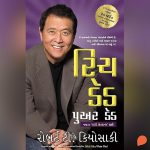
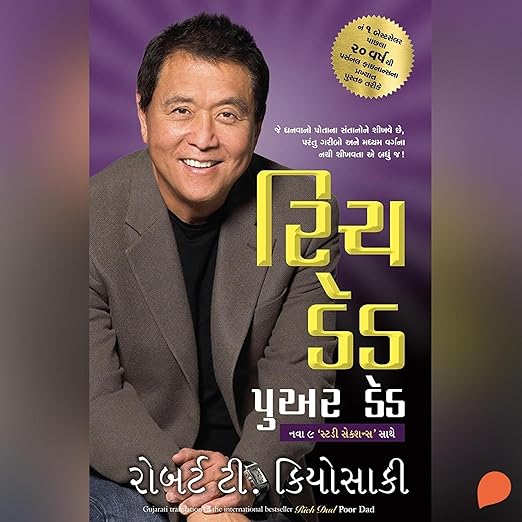
Work to learn, not to earn. Of all the advice packed into this compact edition of Robert T. Kiyosaki’s Rich Dad Poor Dad, that is the line I would most want a teenager to carry away from it. Be clear about what you are buying: this is not the sprawling original but a two-and-a-half-hour distillation created from the international bestseller, aimed squarely at young listeners and the adults who want to hand them a head start, with straight talk, sidebars and quizzes doing the teaching.
My verdict is that it succeeds at exactly the scale it attempts. The core Kiyosaki argument arrives intact: money is a language, and the sooner you learn to speak it, the sooner your money works hard for you instead of you working hard for money all your life. Adults hoping for the full sweep of the rich dad’s lessons, or for detailed investment mechanics, will find this deliberately slim. That is a design choice rather than a flaw, but you should know it before pressing play.
What This Edition Is and Who It’s For
This Brilliance Audio edition, released on 2 January 2013, adapts Kiyosaki’s most famous book for a younger audience. It keeps his inspiring personal story and the lessons his rich dad taught him, reframed around smart choices: how to speak the language of money, ways to make money work for you, and why games are a genuinely useful tool for understanding investing and choosing your own path to financial freedom.
At 2 hours and 31 minutes, it is the length of a long car journey, which I suspect is precisely how it is best used: parent and teenager listening together, pausing to argue about pocket money and part-time jobs. It also serves the curious adult who wants the essential Kiyosaki position without committing an entire weekend to it.
Tim Wheeler Keeps It Conversational
Tim Wheeler narrates, and the material plays to a conversational register. A book built on straight talk, quizzes and sidebars lives or dies on whether it sounds like a lecture, and Wheeler’s task is to sound like the interested adult at the kitchen table rather than the teacher at the whiteboard.
The brisk runtime works in his favour. Nothing outstays its welcome, the quiz elements give the listening a natural rhythm of prompt and pause, and the financial vocabulary arrives in small, repeatable doses. For a young listener meeting ideas like making money work for you for the first time, hearing them spoken plainly, without mystique, is half the lesson.
What Readers Say
I have no written listener reviews on file for this edition, so honesty compels a thin report: it carries 4.4 from just 4 ratings. Four ratings is not a sample, it is a handful, and I would not lean on that figure in either direction. Judge this one on fit rather than crowd wisdom: the underlying book’s standing as an international bestseller is stated on its own jacket, and the live question is simply whether this junior-sized format suits your household.
Who Should Listen?
Listen if you are a parent, grandparent or teacher who wants a painless first conversation about money with someone young, or if you are that someone young. It asks for two and a half hours and repays them with vocabulary and attitude: the idea that financial freedom is a path you choose, not a lottery you win.
Skip it if you want the complete adult-length Rich Dad Poor Dad, granular how-to guidance, or a sceptical counterweight: Kiyosaki teaches with total conviction, and this format leaves no room for argument. As a starting point for a child’s financial education, though, it is a sensible and mercifully short place to begin.