Clara’s Verdict
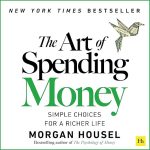
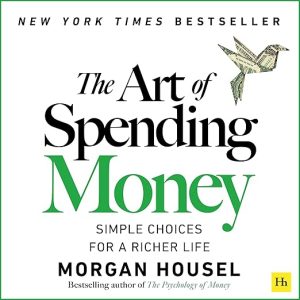
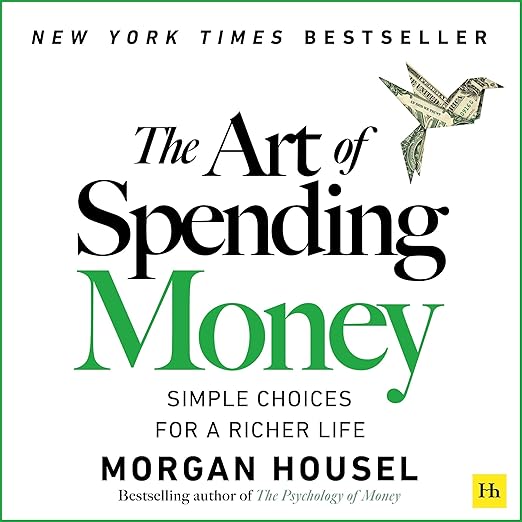
Morgan Housel has built a career on the observation that money is, at its core, a psychology problem rather than a maths problem. The Art of Spending Money – a Sunday Times and New York Times number-one bestseller – extends that insight into territory his previous books only gestured at: not how to accumulate wealth, but how to use it well. At five hours and fifty-three minutes, it is a tight, purposeful listen, and Chris Hill’s narration keeps things pleasingly conversational. This is not a self-help book that tells you what to buy. It is something considerably more useful.
About the audiobook
Housel begins from a question that sounds simple and turns out to be anything but: can money buy happiness? His answer – yes, absolutely, but most of us are spectacularly bad at making it do so – drives the entire argument. Drawing on behavioural psychology and his trademark talent for illuminating anecdote, he examines the ways we consistently spend on things that deliver less satisfaction than we expect, while avoiding investments that would genuinely improve our wellbeing.
The book tackles a range of interconnected themes: why people mistake envy for admiration; how to align expectations with actual income; the dangers of what he calls “social debt” – keeping up appearances at the cost of financial security; and the counterintuitive argument that the fastest route to building wealth is to go slowly. There is also a sustained examination of the emotional terrain that most financial books ignore entirely – identity, insecurity, the way we use money to signal things about ourselves that we could demonstrate far more cheaply in other ways.
Readers of The Psychology of Money and Same as Ever will recognise Housel’s method: accessible prose, carefully chosen examples, and a refusal to moralise. He is not here to tell you what to spend your money on. He is here to help you understand why you spend it on what you do, and whether that serves you.
The narration
Chris Hill narrates with exactly the right register – warm, thoughtful, unhurried. The conversational quality of Housel’s writing translates well to audio, and Hill does not over-dramatise the more provocative arguments. He simply lets them land. At under six hours, this is an audiobook you can finish in a weekend without it feeling rushed.
What readers say
UK listeners have responded with considerable enthusiasm. Jonny Underwood gave it five stars and specifically recommended it to “those who have delayed gratification for so long that they struggle to spend money even though they’re in a position to.” Olly called it “sage advice” and a worthy follow-up to The Psychology of Money, praising its personal and practical focus. Paul Chamberlain was sufficiently impressed to purchase ten copies as Christmas gifts. The audiobook holds a rating of 4.5 from its early listeners.
Who should listen?
This is for anyone who has successfully accumulated some financial security and now finds themselves uncertain about what to do with it – or who suspects their spending habits are not actually making them as happy as they should. It is equally relevant for those who feel guilty about spending money they have genuinely earned. Housel writes for adults who can handle nuance, and Hill’s narration makes the experience feel like a very good conversation rather than a lecture. If you have already listened to The Psychology of Money, this is the natural next step.