Clara’s Verdict
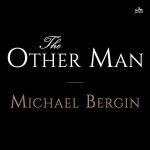
There are books that feel genuinely uncomfortable to read, not because they are badly written but because of the ethical questions they generate around the act of reading them. The Other Man by Michael Bergin is one of those. Bergin’s account of his relationship with Carolyn Bessette – the woman who went on to marry John F. Kennedy Jr. and who died alongside him and his sister in a plane crash in July 1999 – is tender, honest in its self-serving moments, and surprisingly moving in places. It is also, unavoidably, a book written about a woman who cannot respond to it.
That tension runs through every page. But Bergin is not unaware of it, and the book published by William Morrow (due June 2026 on audio, running twelve hours) is a more thoughtful piece of memoir than its tabloid origins might suggest. Whether it is a book you feel comfortable hearing is a personal decision. Whether it is a compelling piece of audio is not: it genuinely is.
About the Audiobook
The Other Man chronicles Bergin’s account of the years he and Carolyn Bessette shared between 1992 and her marriage to JFK Jr. in 1996 – and, he claims, beyond. The audiobook has gained renewed attention following the FX drama series Love Story: John F. Kennedy Jr. and Carolyn Bessette, which dramatised some of the same period. Bergin was a Connecticut-born model who arrived in New York in the early 1990s with very little and built a recognisable career in the fashion world. When he and Carolyn met, both were at formative points in their lives, and the connection – in Bergin’s telling – was immediate and complex in equal measure.
What distinguishes the memoir from simple celebrity gossip is its portrait of Carolyn herself. Bergin is at pains to present her as a full person – independent, stylish, contradictory, restless – rather than the glossy, one-dimensional figure the tabloid press constructed. He describes her warmth and her capacity for withholding it, her genuine complexity, and what he saw as the gulf between the private woman and the public mythology. The book addresses her two terminations and a miscarriage, her feelings about the Kennedy world she was entering, and the personal cost of becoming one of the most photographed women of her era.
The narrative moves between past and present with reasonable control, and Bergin is neither an unimpeachable narrator nor an obviously dishonest one. He acknowledges the ways in which his own behaviour was not always admirable. The overall effect is of a man who loved someone and is still, decades later, working out what that meant.
The revival of interest in Carolyn Bessette-Kennedy following the FX dramatisation means Bergin is writing into a renewed cultural conversation rather than a fading one. Whether the timing feels exploitative or simply well-judged is a question each listener will answer differently. What is harder to dispute is that the audiobook format, at twelve hours, allows the memoir to breathe in ways a shorter piece would not permit, and Bergin uses the space to build a portrait considerably more complicated than the tabloid version of these events.
The Narration
No narrator credit was listed in the data available at the time of writing. Given the deeply personal nature of the memoir – and the precedent set by similar celebrity memoirs – there is a reasonable chance this is self-narrated, or narrated by a reader selected for their ability to handle intimate, confessional material. Listeners considering this title may wish to sample the audio before committing, as the narrator’s handling of the emotional register will make a significant difference to how the book lands over twelve hours.
What Readers Say
With a rating of 4.4 from 175 Audible ratings, The Other Man – available in its original print edition for some years before the updated audiobook release – has found consistent appreciation from readers drawn to the Bessette-Kennedy story. UK reviewer Maureen B. praised it as "an honestly written book that doesn’t try to gild the proverbial lily in any way" and valued the alternative perspective it offers on events that have been widely mythologised. A more measured reader, writing as "Panda," raised a fair question about the author’s motivation – "was this a posthumous kiss and tell?" – while ultimately concluding it was an interesting and worthwhile read. The consensus appears to be that Bergin writes with genuine feeling, whatever one makes of his reasons for writing at all.
Who Should Listen?
This is the right audiobook for listeners fascinated by the Kennedy world, the New York social history of the 1990s, or the particular kind of American celebrity mythology that Carolyn Bessette both inhabited and resisted. It is also a genuinely compelling piece of memoir writing for those who can bracket their discomfort about its premise. If you have watched the FX series and want the other side of the story – or if the name Carolyn Bessette has always seemed, to you, to deserve more than the footnote history allotted her – this is worth your time.