Clara’s Verdict
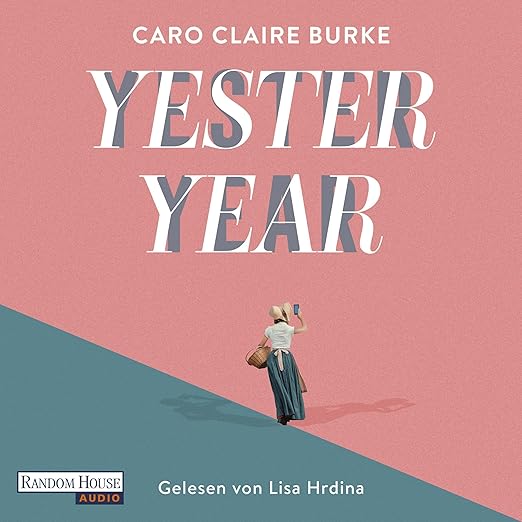
Natalie Heller Mills bakes sourdough boules that are each more beautiful than the last, is married to a handsome cowboy, and runs a charming working ranch for followers sick with envy. The nannies, the producers and the industrial-grade ovens stay carefully out of frame. Then one morning she wakes in a version of her life that is familiar and horribly wrong, and Caro Claire Burke’s Yesteryear turns from influencer satire into something far stranger.
My name is Natalie Heller Mills, and I was perfect at being alive.
That declaration, straight from the novel’s opening, sets the register: a voice polished to a squeak, primed for demolition. My honest take is that the tradwife premise is merely the hook; the book’s real business is the demolition itself, an examination of tradition, fame and faith that is as shocking as it is darkly funny. One warning: it is filed under comedy yet runs genuinely nightmarish, so anyone wanting a cosy send-up of sourdough influencers is holding the wrong loaf.
What This Edition Is and Who It’s For
Yesteryear is Caro Claire Burke’s Sunday Times number one bestselling novel, published in audio by Fourth Estate on 7 April 2026 and running 13 hours and 47 minutes. It arrives garlanded: the jacket quotes Vogue calling it deranged, daring and cleverly written, and the New York Times finding it maddening, mesmerising and ingenious, which between them give you a fair sense of the temperature.
What a listener gets is a high-concept spiral. Is Natalie’s wrong-but-familiar new reality a hoax, a reality show, a test from God? The novel keeps every possibility spinning as Natalie, certain of only two things, that this is not her perfect life and that she must escape by any means possible, starts pulling at the seams. It is satire with a thriller’s momentum and a speculative itch it keeps scratching.
Rebecca Lowman as the Perfect Wife Unravelling
Rebecca Lowman narrates, and the casting logic is plain: this is a sustained first-person performance of a woman whose entire identity is itself a performance. The role demands curated smoothness, the cadence of someone permanently mid-broadcast, and then the hairline fractures as the wrongness of the new reality accumulates.
Lowman has nearly fourteen hours inside Natalie’s head, and the book’s dark comedy depends on timing: the beat between a perfect sentence and the panic underneath it. A narrator who can keep the surface serene whilst the subtext screams is exactly what this material calls for, and the long runtime lets the unravelling be gradual rather than abrupt, which is where the dread lives.
What Readers Say
Listener reviews have not yet gathered beneath this edition, so I will speak only to the aggregate: Yesteryear holds 4.3 from 63 ratings. For a book this deliberately destabilising, that is a healthy score, and I suspect it hides a divided tail. Fiction that Stylist’s quoted verdict calls nightmarish, shocking and brilliant rarely collects unanimous fives, and it is not trying to. The number tells me most listeners came away rattled in roughly the way they hoped to be.
Who Should Listen?
Listen if you like satire with teeth: influencer culture skewered, tradition and faith held up to a funhouse mirror, and a heroine you watch through your fingers. Admirers of dark, high-concept fiction that refuses to explain itself too early will find the near-fourteen hours well spent.
Skip it if you need a comedy that stays comic, tidy answers, or a protagonist engineered for easy sympathy. Yesteryear is designed to unsettle, and it succeeds. I came away the way Natalie’s followers scroll her feed: slightly sick, thoroughly hooked, unable to look away.