Clara’s Verdict
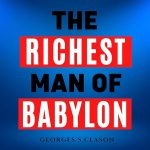
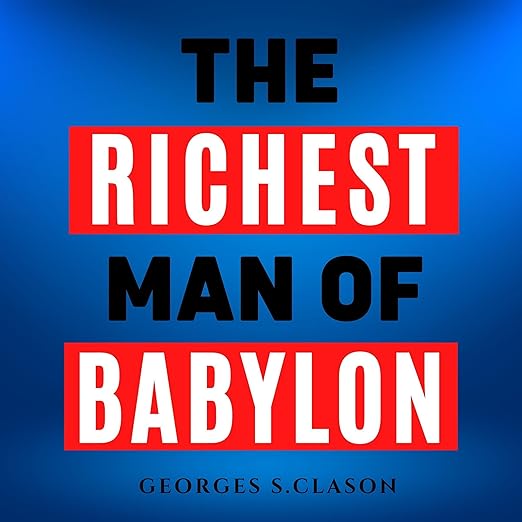
There are books that are perpetually recommended and perpetually unread, and The Richest Man in Babylon is firmly in that category. George S. Clason wrote these parables in 1926, and they’ve been circulating in one form or another ever since – summarised in corporate training sessions, quoted in personal finance books, and pressed on adult children by parents who have worked out how money works and wish someone had told them sooner. The good news is that the audiobook form, at just under four hours, is perhaps the ideal way to finally get it done. Benjamin Coachella’s narration keeps the archaic prose from dragging, and the core lessons arrive with the cumulative force of parables genuinely earned through story rather than delivered as dry instruction. This is personal finance as it was practiced before the industry existed – which is, it turns out, more durable than most of what the industry has produced since.
About the Audiobook
Set in ancient Babylon, the book follows Arkad – the richest man in the city – as he shares his principles of wealth with a series of students, merchants, and citizens who have watched him accumulate fortune and cannot understand how he did it. Clason’s conceit – using the ancient world as a frame for timeless financial advice – was clever in 1926 and remains effective now, precisely because it strips away the noise of contemporary financial products and reduces the question to its essentials: how do you acquire money, how do you keep it, and how do you make it grow?
The lessons are not complicated. They were never meant to be. Save a tenth of everything you earn. Put your savings to work rather than leaving them idle. Seek the counsel of people who have demonstrated competence with money before trusting their advice. Guard against loss before seeking gain. Make your dwelling a profitable investment. Insure a future income. Invest in yourself to increase your earning capacity. Clason frames all of these as the wisdom of Arkad, delivered in elevated, slightly biblical prose that can feel archaic but actually serves a purpose: it slows you down, which is what financial wisdom generally requires.
As Arkad himself notes, the difficulty has never been in understanding the principles. Most people hear them, nod, agree entirely, and then continue doing the opposite. What Clason understood was that simple advice delivered through story is more likely to stick than simple advice delivered as instruction, because the story engages the part of us that changes behaviour rather than the part that merely absorbs information. After nearly a century of continuous readership, the evidence rather supports his theory. This Page2Page edition presents the original 1926 text, uncensored and complete.
The Narration
Benjamin Coachella handles the archaic register of Clason’s prose with care and without affectation. The elevated, biblical-adjacent language could easily tip into parody or pomposity in the wrong hands, but Coachella maintains a gravity that honours the material while keeping it accessible to contemporary ears. There’s a slightly ceremonial quality to the delivery – entirely appropriate for what is, in essence, a series of moral parables delivered by a wise elder – and the pacing at under four hours is judged well throughout. The stories are allowed to breathe without being allowed to stagnate.
What Readers Say
This particular edition carries a rating of 4.0 out of 5 on Audible UK, with the review count still building. The book itself, across all editions and a century of readership, is one of the most widely praised personal finance titles in any language. The consensus among readers who have actually applied the principles – as opposed to those who read it and set it aside – is consistent: the ideas are sound, the presentation is accessible, and the book rewards a second or third listen once you’ve actually started implementing the habits it describes. A significant number of readers report returning to it annually, using it as a kind of financial recalibration rather than a book consumed once and shelved.
Who Should Listen?
Anyone who has ever felt vaguely anxious about money but hasn’t yet found the right entry point into fixing it. This is not a book about investment strategy, tax efficiency, or portfolio construction – it’s a book about the habits and attitudes that make any of those things possible in the first place. It’s particularly well suited to people in their twenties and thirties who are beginning to think seriously about wealth for the first time, though it has a documented habit of shifting perspectives at every age. If you’ve been putting off the financial conversation with yourself, four hours in ancient Babylon might be the gentlest possible way to start it.
Listen to The Richest Man in Babylon on Audible UK – start your copy here and give Arkad four hours of your attention.