Clara’s Verdict
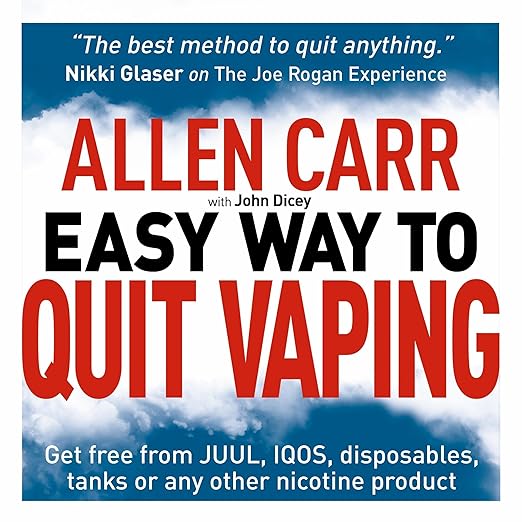
I should be clear from the outset: I approach self-help audiobooks with a professional scepticism that has served me well over two decades of reviewing. Most books that promise to remove addictive behaviour without willpower are selling an illusion dressed in reassuring language. Allen Carr’s Easyway method is different, and the evidence for that is not merely anecdotal – it is clinically validated, and it has been helping people quit nicotine for over thirty years. The vaping-specific edition extends that track record to one of the fastest-growing nicotine delivery systems in the world, and it does so with the same methodological clarity that made the original stop-smoking book a genuine phenomenon.
At six and a half hours, this is a proper listening commitment – not a quick fix, but a deliberate and thorough reframing of how you think about addiction. The reviews are unusually personal and specific, and that specificity is itself persuasive: the people writing about this book are describing real changes in their relationship to nicotine, not abstract endorsements.
About the Audiobook
The Easyway method’s central insight is that nicotine addiction is maintained less by physical dependency than by psychological conditioning – the “brainwashing,” as Carr puts it, that makes you believe you need to vape. The book methodically dismantles that conditioning, addressing the specific thought patterns that arise during withdrawal and the social or emotional triggers that the brain has learned to associate with vaping. Once you understand the mechanism, the argument goes, the desire dissolves rather than requiring suppression.
What makes this edition particularly relevant is its acknowledgment that vaping occupies a different psychological space from smoking. Vaping was marketed as a health-conscious alternative – a harm-reduction tool – which creates a specific layer of rationalisation that the original smoking book doesn’t address. Carr’s method tackles that directly. Whether you use e-cigarettes, JUUL devices, tanks, mods, or pods, the underlying cognitive architecture is the same, and the method works accordingly.
The counterintuitive instruction throughout the book is to continue vaping while you listen, until the final chapter. This deliberate approach is central to the method and removes the anxiety and sense of deprivation that typically derails conventional quit attempts before they have begun. It is asking you to change your mind, not white-knuckle your way through withdrawal.
The book also references the broader Allen Carr’s Easyway series, which applies the same methodology to smoking, alcohol, gambling, and weight loss – a point several reviewers mention, noting that other titles in the series have worked for them too.
The Narration
Helen Keeley’s narration is calm, warm, and appropriately unhurried. She communicates the method’s fundamental optimism without the slightly hectoring tone that this kind of instructional content can tip into. Her delivery makes the book feel less like a lecture and more like a supportive conversation, which is the correct register for content asking you to fundamentally rethink your relationship with a substance you’ve been relying on for months or years. The six-hour runtime never drags.
What Readers Say
The reviews for this audiobook are notably personal and specific. One listener – who had previously vaped 4 to 6ml of 20mg juice per day and tried to quit many times without success – described the experience as “a miracle” and reported being nicotine-free eleven days after finishing the book. Another noted that the book “re-wires your brain” very specifically, addressing the moment during withdrawal when the brain begins its familiar campaign for a new vape – and finding that campaign had lost its force. A third reviewer had used Carr’s original stop-smoking book and his Easy Weigh method for weight loss, both successfully, and reported that the vaping edition worked with the same reliability. The overall rating stands at 4.6 out of 5, and one listener noted that the experience was “surprisingly easy” – which is precisely the promise of the Easyway method.
Who Should Listen?
Anyone who vapes and has tried and failed to stop through conventional methods – willpower, cold turkey, nicotine replacement products – will find this approach radically different from anything they’ve attempted before. It requires genuine engagement rather than passive listening; reviewers consistently recommend taking notes and reading slowly rather than rushing through. It is also worth approaching with an open mind: the method asks you to accept, temporarily, a set of premises that might feel counterintuitive, but the consistent pattern of the reviews suggests that if you let the argument work, it works.
For those who find the vaping-specific edition incomplete on its own, the original Allen Carr stop-smoking book remains available and several reviewers recommend using both in conjunction. The Easyway method has also been applied successfully to alcohol and sugar dependency; if nicotine is one part of a broader pattern of habitual behaviour you want to address, the series as a whole offers a coherent toolkit.
Find Allen Carr’s Easy Way to Quit Vaping on Audible UK here: Listen on Audible UK