Clara’s Verdict
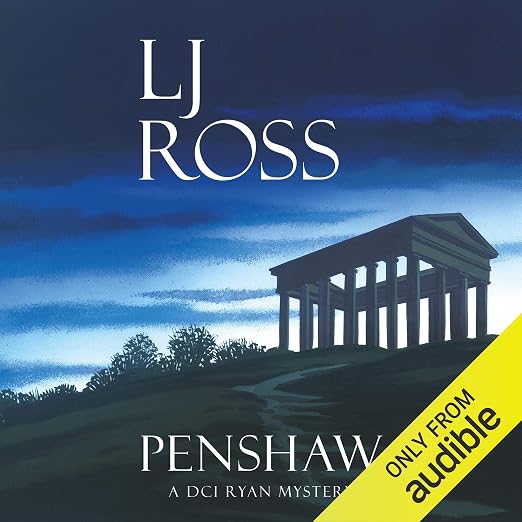
Penshaw digs into the long memory of a community, and that is where its power lies. The thirteenth DCI Ryan Mystery unfolds in a sleepy former mining village where a decades-old betrayal still smoulders beneath the surface, and LJ Ross is very good at this kind of buried, generational grievance. It gives the book a slow-burning heat.
Running alongside the village murder is a sharper, more paranoid thread back at Northumbria CID, where a mole is rumoured to be at work and no one is above suspicion. That internal jeopardy raises the temperature nicely and follows on from the cliffhanger of the previous book, so the faithful will feel the stakes keenly. It is a strong, character-rich entry, and it clearly means a great deal to readers who know the real Penshaw.
What gives the book its particular flavour is the setting’s real history. An ex-mining village carries its own freight of loyalty and resentment, and Ross mines that seam for a crime rooted in the slow corrosion of old grudges. The parallel worry of a mole inside the department turns the paranoia inward, so that Ryan can trust neither the village nor, entirely, his own colleagues.
About the Audiobook
The thirteenth DCI Ryan Mystery opens with a shocking death. When an old man is burned alive in a sleepy ex-mining village, DCI Ryan is called in to investigate, and he soon discovers that beneath the facade of a close-knit community the burn of a decades-old betrayal still smoulders. When everyone had a motive, unravelling the secrets of the past before the killer strikes again is no small task.
Meanwhile, back at Northumbria CID, trouble is brewing. Rumours of a mole in Ryan’s department put everyone under suspicion, and he is left wondering whether he can count on anybody but himself. The book follows on directly from the previous instalment, so events set in motion there continue to reverberate. Ross grounds it all in the spectacular Northumbrian landscape, keeping the murder and mystery, in her signature way, peppered with romance and humour.
The Narration
Jonathan Keeble reads a listen of around seven hours, and he draws out the grief and grudge of the ex-mining village with a sure, sympathetic touch. There is a weariness and warmth to his handling of the older characters that suits a story about the long shadow of the past.
He also plays the departmental paranoia well, letting the suspicion that anyone might be the mole seep quietly into the team’s exchanges without overstating it. Because the book carries threads from the previous case, continuity matters, and he keeps the emotional bookkeeping clear for returning listeners. Reviewers often praise the warmth of the narrative voice in this series, and this is a fine example of it. Across around seven hours he lets the grief of the village and the creeping departmental paranoia share the same unhurried, sympathetic register, and the warmth in his reading is exactly what the material needs.
What Readers Say
Penshaw carries an average of 4.6 stars across 39 ratings, and it clearly resonates with readers who know its setting. More than one reviewer wrote from personal connection to the area, one having lived within a couple of miles of Penshaw Monument, another having spent thirty years in Tyneside, and both spoke of feeling at once comforted and gripped by seeing familiar places on the page. That local recognition runs warmly through the reviews.
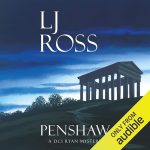
That sense of place runs deep in the responses. One long-time Tyneside resident wrote fondly of Ross’s warm narrative and of her eye for ordinary lives caught up in extraordinary circumstances, singling out the real Penshaw Monument that stands on its hill as a landmark you can see for miles. For readers with that kind of connection to the North East, the book reads almost as a homecoming, and it is precisely this rootedness in a real and loved landscape that keeps them coming back to Ryan case after case.
Readers also flag the value of reading it in sequence. Several recommend hearing The Moor first, since Penshaw follows straight on from its cliffhanger and refers back to those events, and they praise the way the book gives other members of the ensemble their moment. One reviewer, initially daunted by joining a thirteen-book series, admitted being quickly won over. The overall impression is of a series still delivering consistently, book after book.
Who Should Listen?
Penshaw is for the reader who likes a mystery rooted in community history and old betrayals, and above all for series followers, since it leans on the previous book and on relationships built across the run. It suits anyone who enjoys a strong sense of a real place, and who appreciates a warm, character-led approach to crime. Newcomers are better served starting earlier, but the faithful will find it richly rewarding.
If a village with a long memory appeals, you can Listen to Penshaw on Audible and see what refuses to stay buried.